

corrinelabilli
About corrinelabilli
Investing in Precious Metals: The Case for Buying Gold and Silver
Introduction
In recent years, the financial landscape has undergone significant changes, prompting investors to seek alternative assets that can provide stability and long-term value. Among these alternatives, gold and silver have emerged as popular choices due to their historical significance, intrinsic value, and potential for wealth preservation. This article explores the rationale behind investing in these precious metals, examining their historical context, market dynamics, and the benefits and risks associated with such investments.
Historical Context of Gold and Silver
Gold and silver have been used as forms of currency and stores of value for thousands of years. Ancient civilizations, including the Egyptians and Romans, recognized the worth of these metals, leading to their widespread use in trade and commerce. Gold has often been viewed as a safe haven during times of economic uncertainty, while silver has been valued for both its monetary and industrial applications.
In modern times, the role of gold and silver has evolved. The gold standard, which tied currencies to a specific amount of gold, was abandoned in the 20th century, leading to fiat currencies that are not backed by physical assets. Despite this shift, gold and silver continue to hold intrinsic value, making them attractive options for investors looking to hedge against inflation, currency devaluation, and geopolitical instability.
Market Dynamics
The prices of gold and silver are influenced by a variety of factors, including supply and demand dynamics, economic indicators, and market sentiment. Gold, often regarded as a safe-haven asset, tends to perform well during periods of economic downturns or geopolitical tensions. Conversely, silver is more closely tied to industrial demand, as it is used in various applications, including electronics, solar panels, and medical devices.
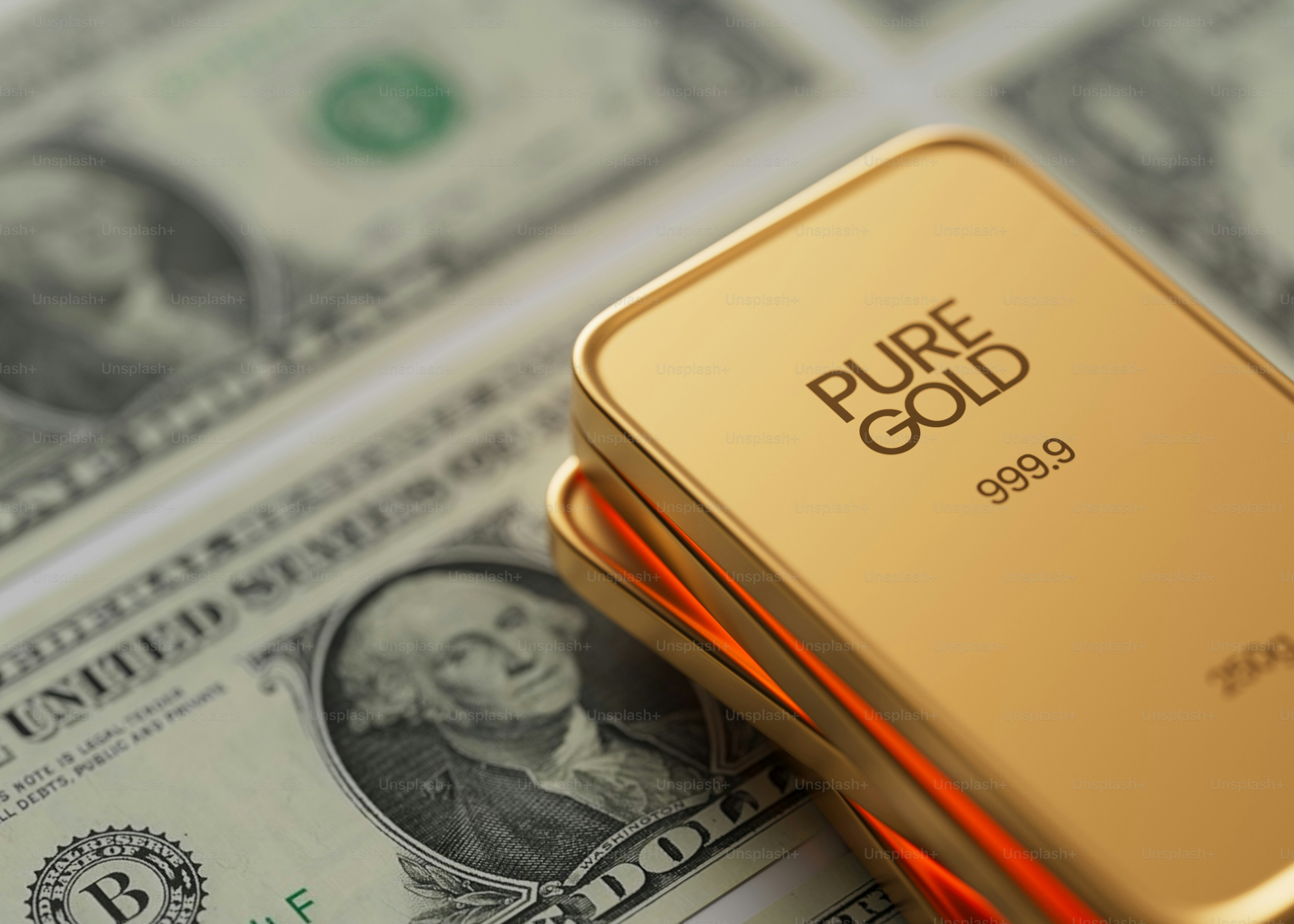
The precious metals market is also impacted by central bank policies, interest rates, and inflation expectations. When interest rates are low, the opportunity cost of holding non-yielding assets like gold and silver decreases, often leading to increased demand and higher prices. Conversely, rising interest rates can lead to decreased demand as investors seek higher returns in interest-bearing assets.
Benefits of Investing in Gold and Silver
- Wealth Preservation: One of the primary reasons investors turn to gold and silver is their ability to preserve wealth over time. Unlike paper currencies, which can be devalued by inflation, precious metals have historically maintained their purchasing power. This makes them an attractive option for individuals looking to safeguard their assets against economic uncertainty.
- Diversification: Including gold and silver in an investment portfolio can provide diversification benefits. Precious metals often have a low correlation with traditional asset classes such as stocks and bonds, which can help reduce overall portfolio risk. During market downturns, gold and silver may perform well while other assets decline, providing a buffer against losses.
- Liquidity: Gold and silver are highly liquid assets, meaning they can be easily bought and sold in various markets around the world. This liquidity makes it easy for investors to access their funds when needed, providing flexibility in times of financial need.
- Tangible Assets: Unlike stocks or bonds, which are intangible, gold and silver are physical assets that can be held in hand. This tangibility can provide a sense of security for investors who are wary of the complexities of the financial system.
- Potential for Capital Appreciation: While gold and silver are often seen as stores of value, they also have the potential for capital appreciation. Factors such as increased demand, limited supply, and geopolitical tensions can drive prices higher, offering investors the opportunity for profit.
Risks of Investing in Gold and Silver
- Price Volatility: The prices of gold and silver can be highly volatile, influenced by market sentiment, economic data, and geopolitical events. This volatility can lead to significant fluctuations in the value of investments, making them unsuitable for risk-averse investors.
- Lack of Income Generation: Unlike stocks or bonds that can provide dividends or interest payments, gold and silver do not generate income. Investors seeking regular cash flow may need to look elsewhere, as the returns from precious metals come solely from price appreciation.
- Storage and Insurance Costs: Physical gold and silver require secure storage and may necessitate insurance to protect against theft or loss. These additional costs can eat into potential profits, particularly for small investors.
- Market Manipulation: The precious metals market is not immune to manipulation. Factors such as speculation, market sentiment, and geopolitical events can lead to price distortions that may not reflect the true value of the metals.
How to Invest in Gold and Silver
Investors interested in buying gold and silver have several options available to them:
- Physical Bullion: Purchasing physical gold and silver in the form of coins or bars is a popular method. If you loved this short article and you would like to acquire more details pertaining to buynetgold kindly visit our own website. Investors can buy bullion from reputable dealers, ensuring they receive authentic products. However, they must also consider storage and insurance costs.
- Exchange-Traded Funds (ETFs): Gold and silver ETFs are investment funds that track the price of these metals. They offer investors exposure to precious metals without the need for physical storage. ETFs can be bought and sold on stock exchanges like stocks, providing liquidity and convenience.
- Mining Stocks: Investing in mining companies that extract gold and silver can provide indirect exposure to the metals. Mining stocks can offer leverage to rising metal prices, but they also come with risks associated with the mining industry, such as operational challenges and regulatory issues.
- Futures and Options: More experienced investors may choose to trade gold and silver futures or options contracts. These financial instruments allow investors to speculate on the future price movements of the metals, but they also carry a higher level of risk and complexity.
Conclusion
Investing in gold and silver can be a valuable addition to an individual’s investment strategy, offering benefits such as wealth preservation, diversification, and liquidity. However, it is essential for investors to understand the risks associated with these assets, including price volatility and storage costs. By carefully considering their investment goals and risk tolerance, individuals can make informed decisions about incorporating precious metals into their portfolios. As the financial landscape continues to evolve, gold and silver remain time-tested options for those seeking to protect and grow their wealth in an uncertain world.
No listing found.